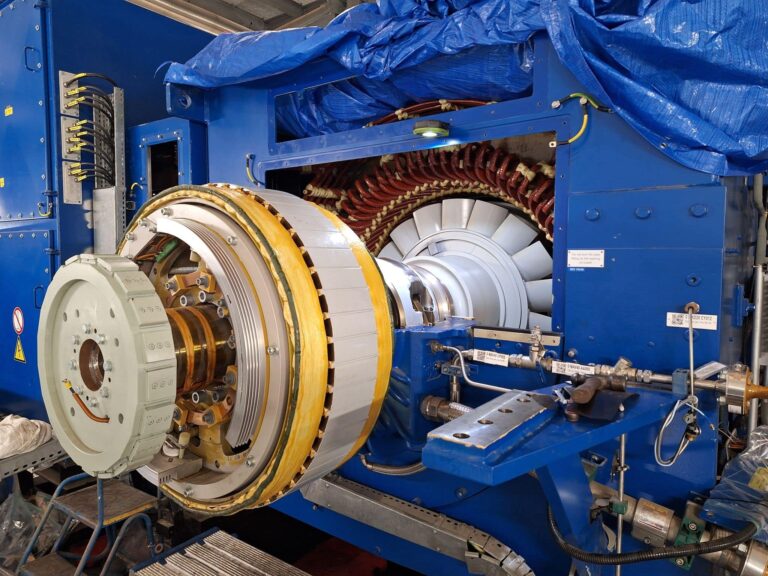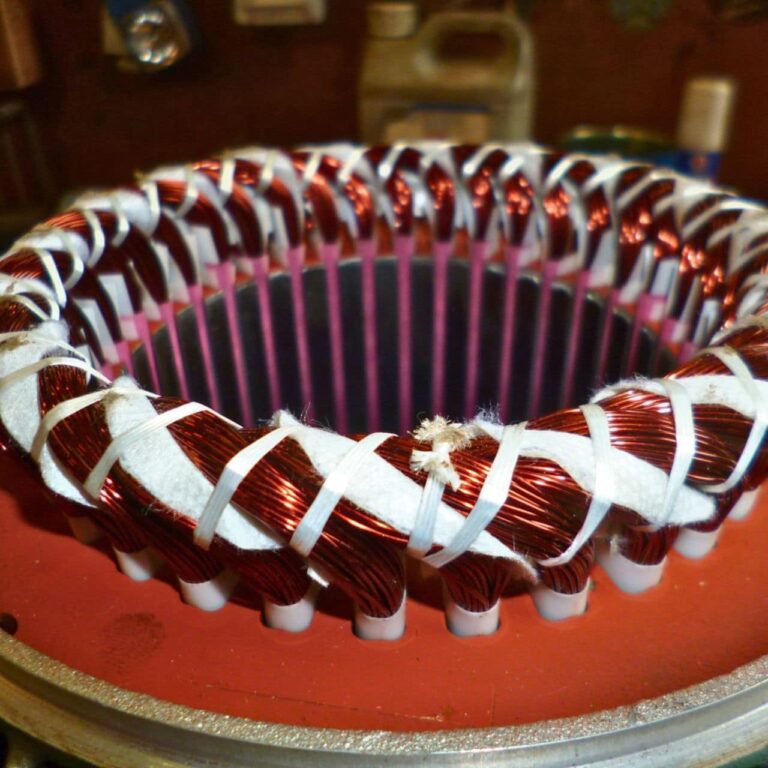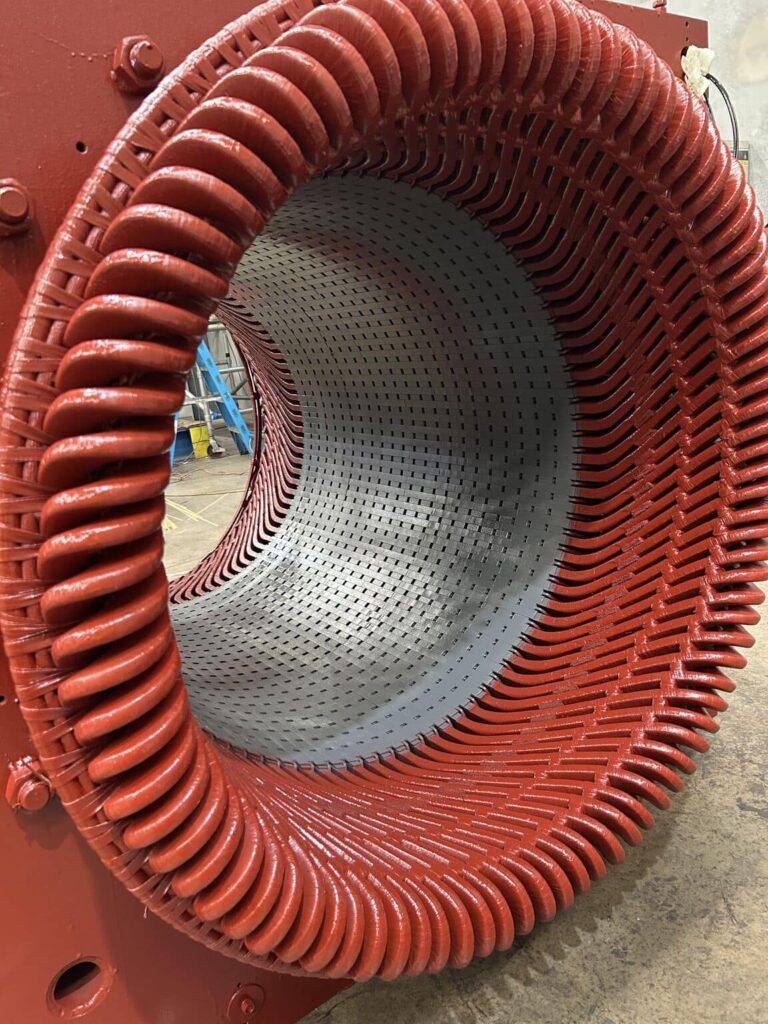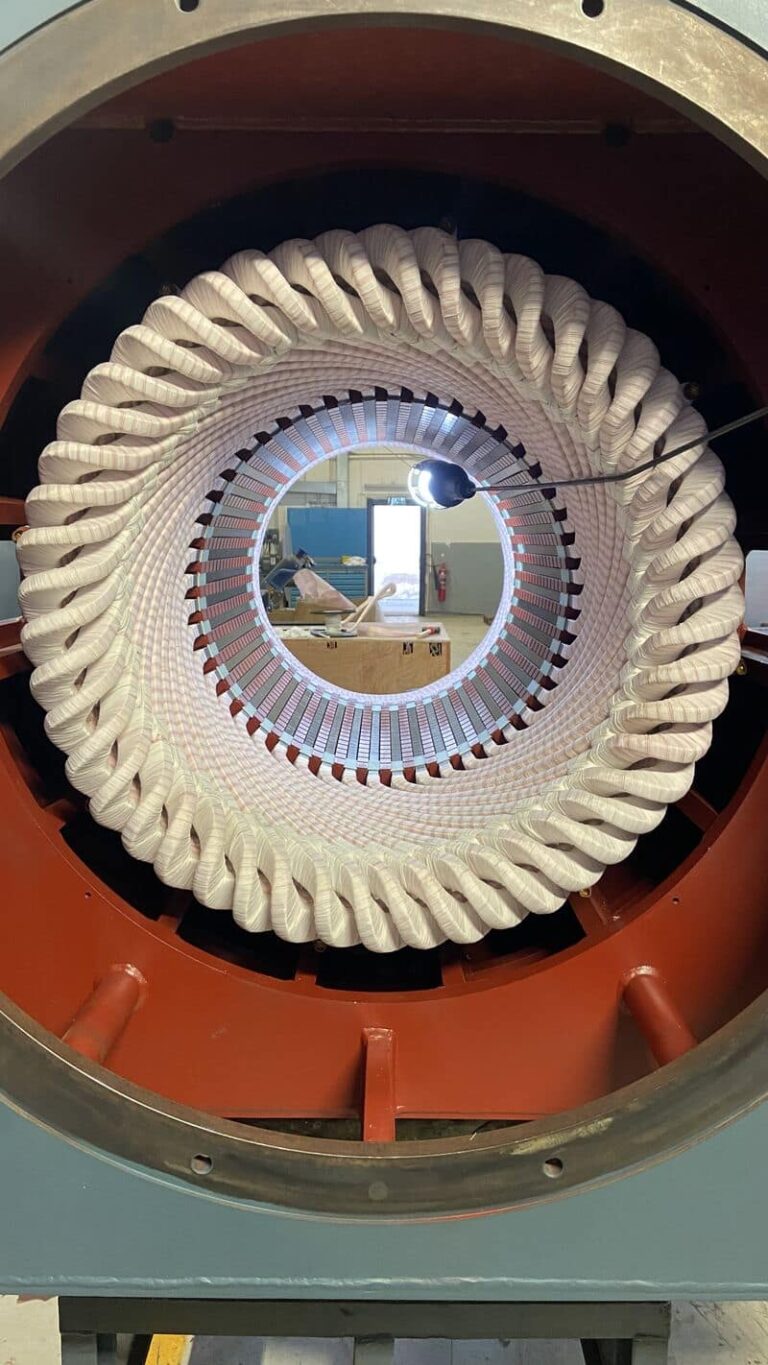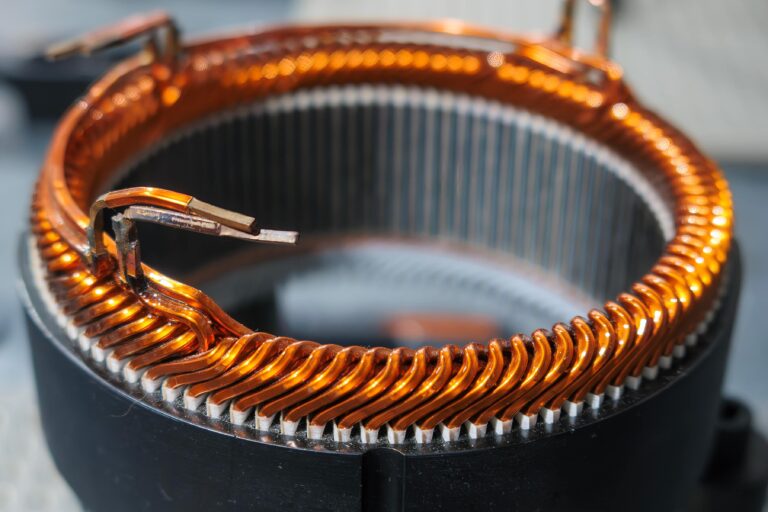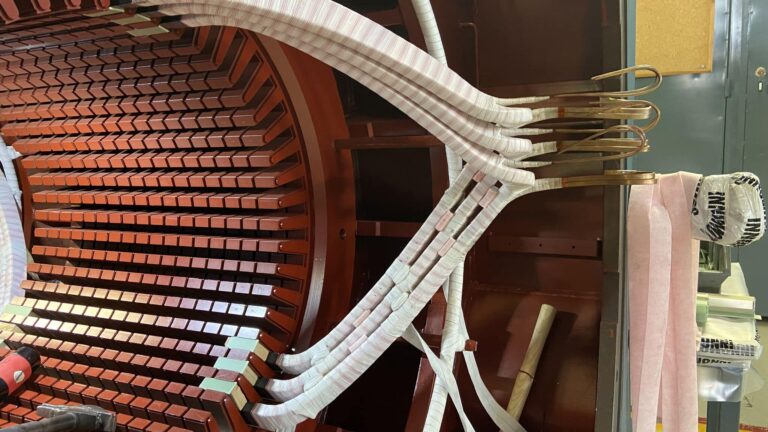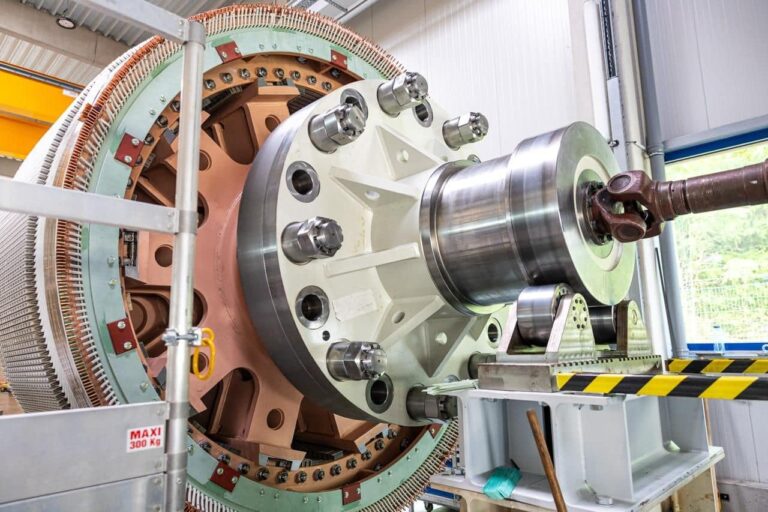
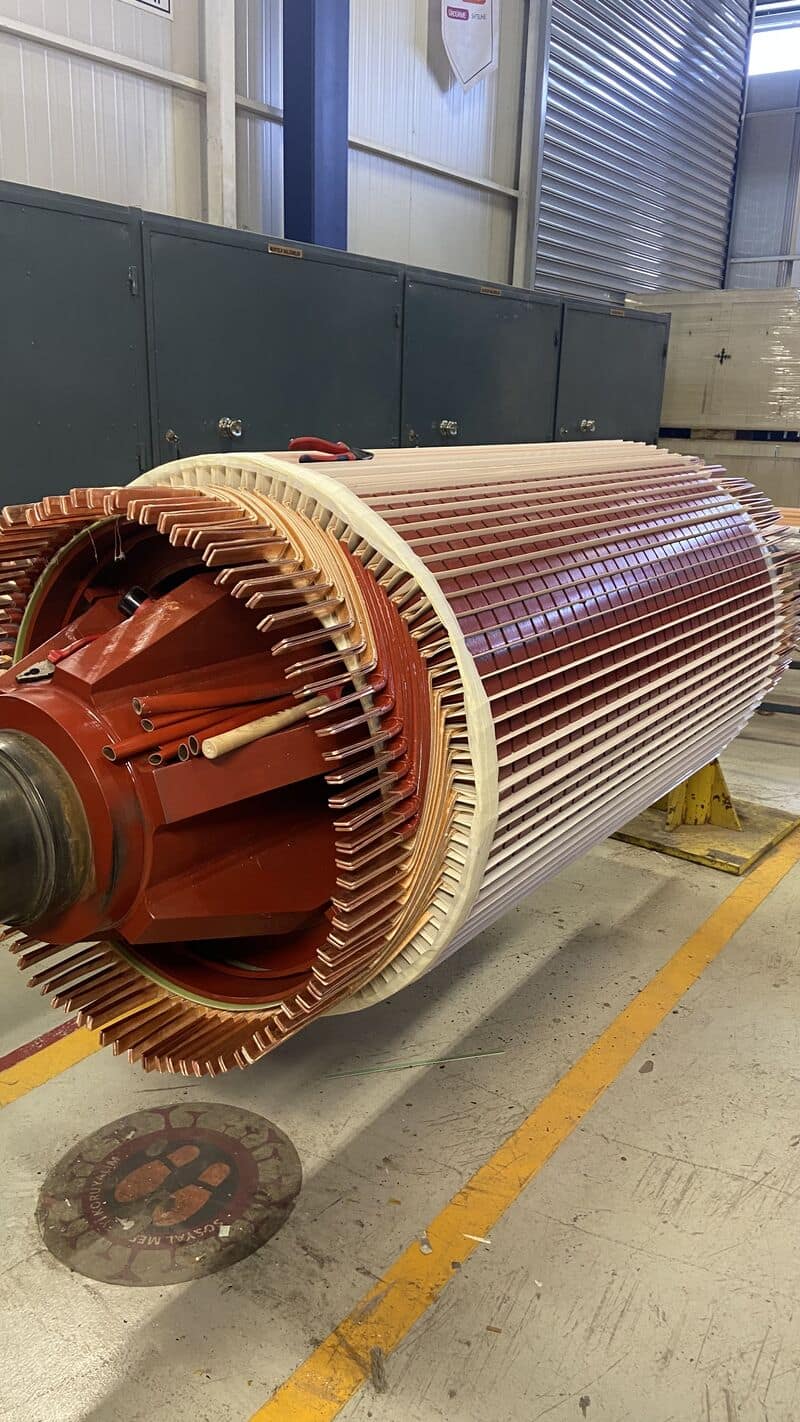
Winding reliability depends on conductor quality and an insulation system suited to voltage, temperature, mechanical stress, and operating environment. Synergy Global supplies copper conductors and insulation materials for motor, generator, and repair-workshop requirements.
Conductor supply
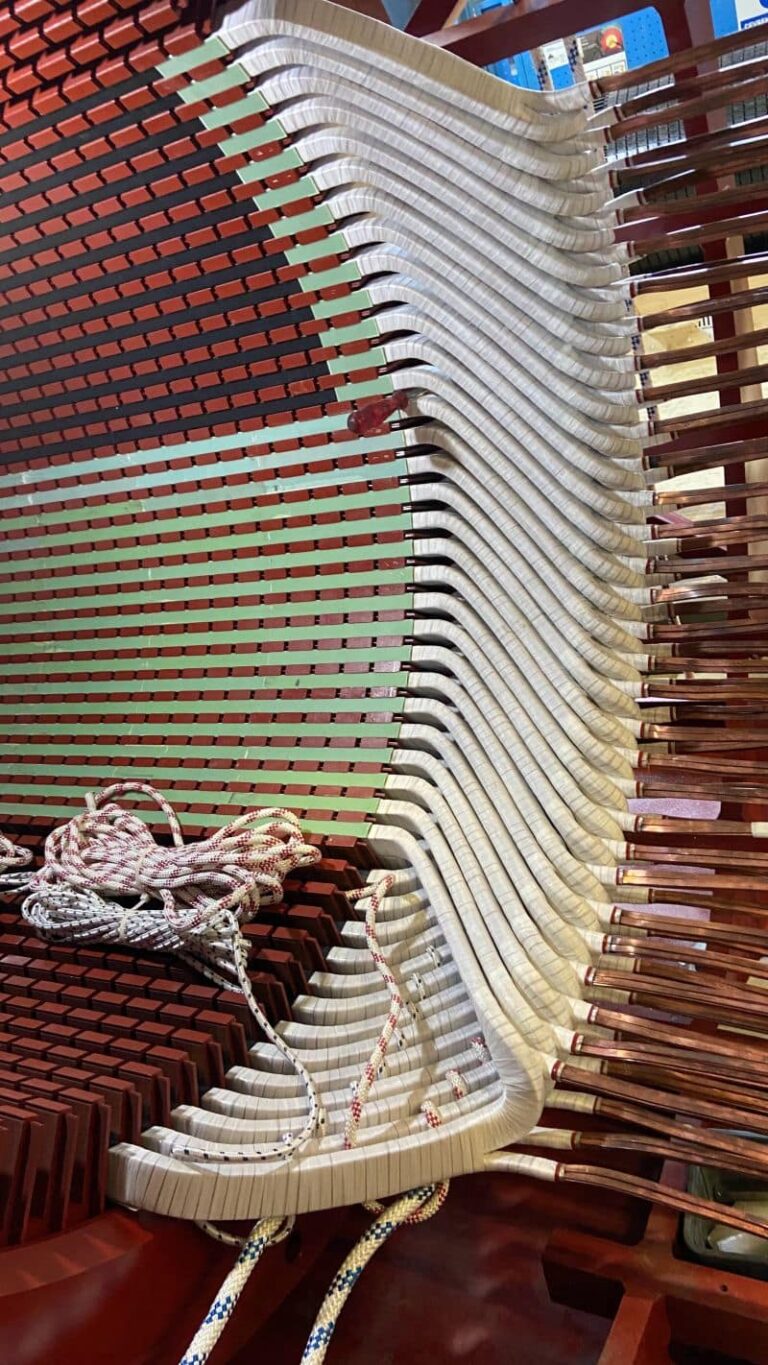
Round and rectangular copper conductors can be sourced against specified dimensions, insulation build, temper, quantity, and application. Required tolerances and available certification are reviewed during quotation.
Insulation-system materials
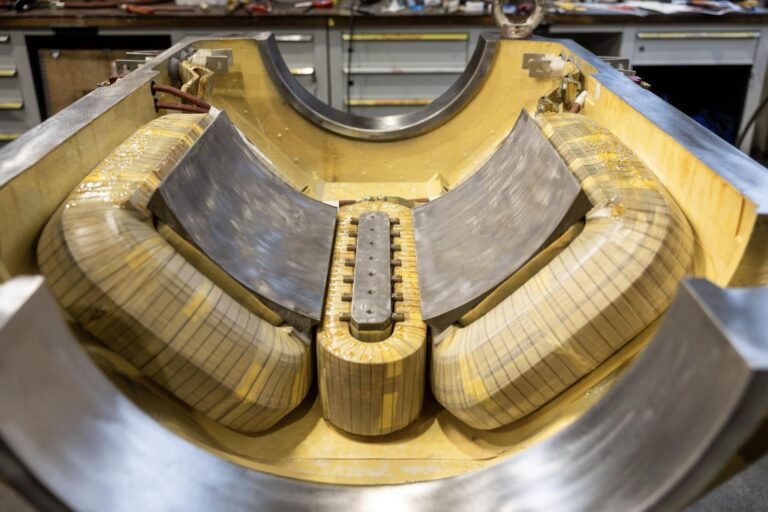
Supply may include slot insulation, phase insulation, tapes, sleeves, wedges, resins, varnishes, and related winding materials. Products are selected against the specified thermal class, voltage duty, compatibility, and processing method.
Technical identification and delivery
Customers can provide a bill of materials, drawing, existing sample, or winding specification. Items are identified and quoted with available product information so they can be reviewed before production or repair use.
Service Highlights
- Round and rectangular copper conductor sourcing
- Slot, phase, tape, sleeve, wedge, resin, and varnish materials
- Selection against dimensions, thermal class, voltage, and process needs
- Supply from drawings, bills of materials, samples, or winding data