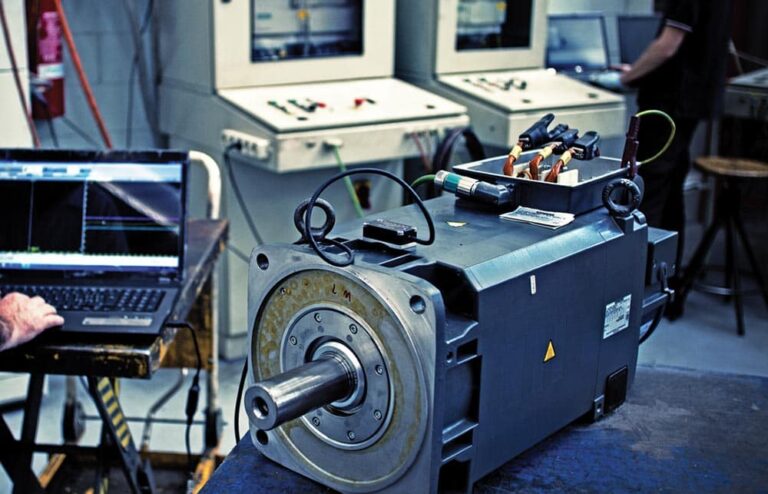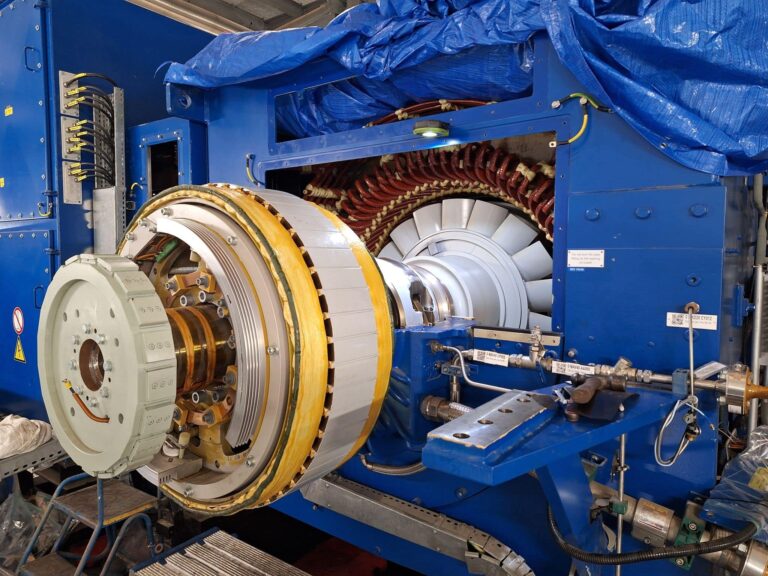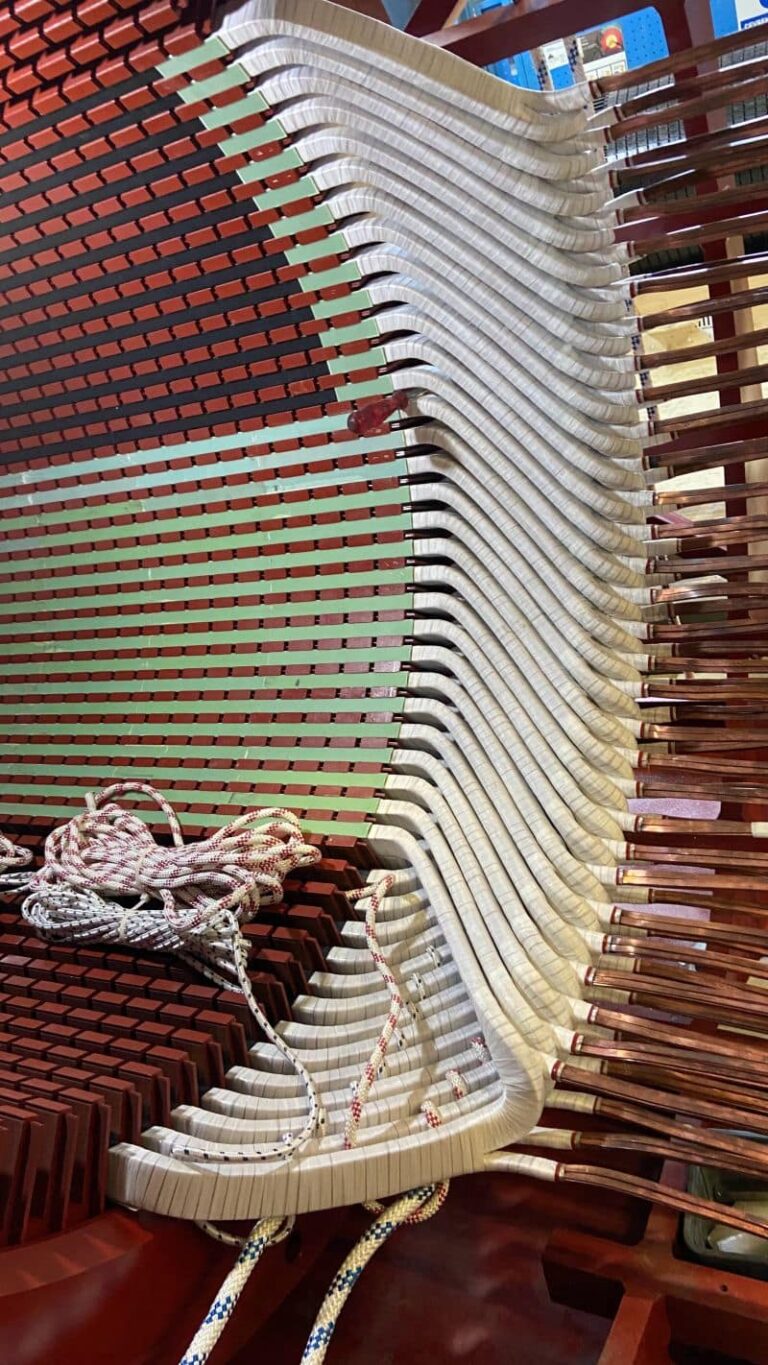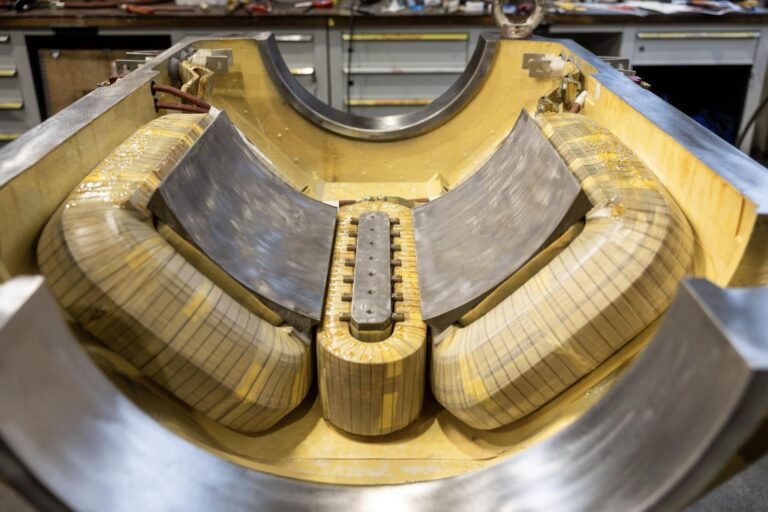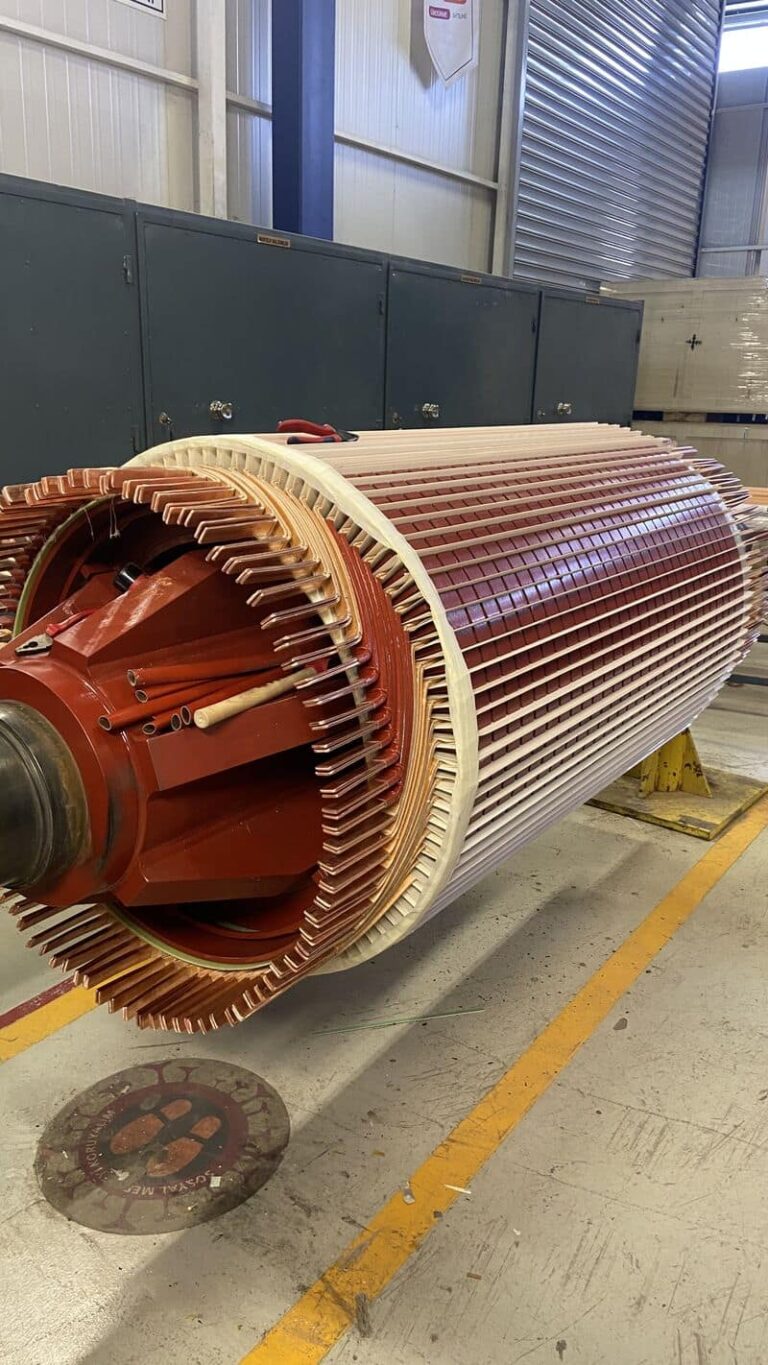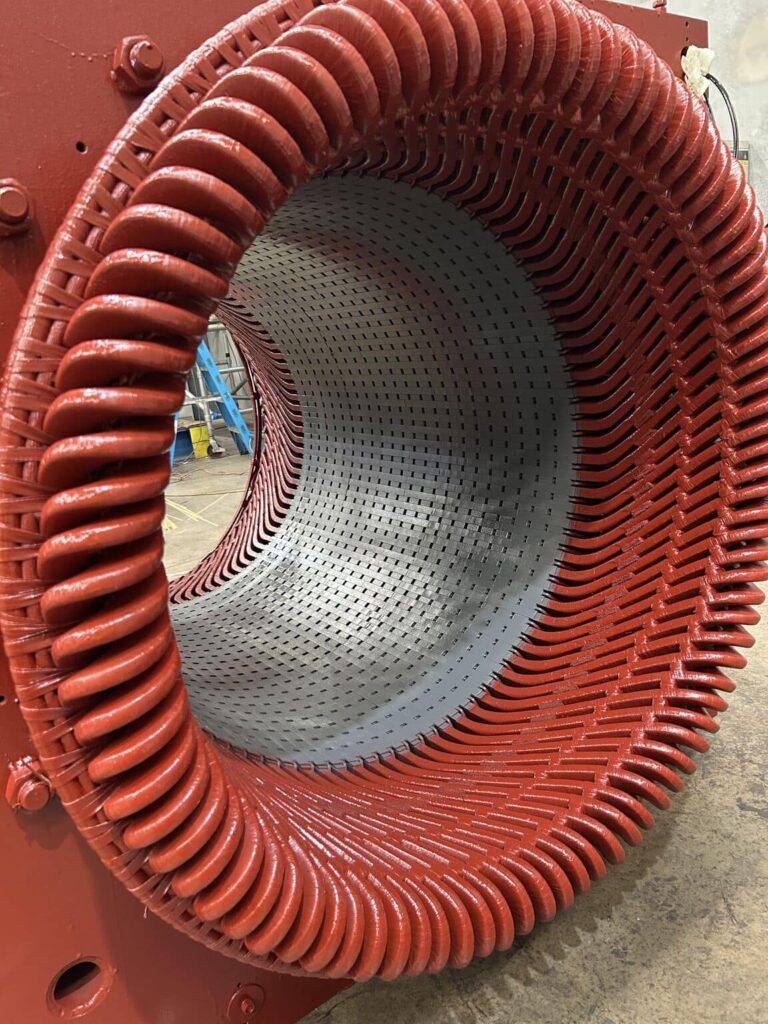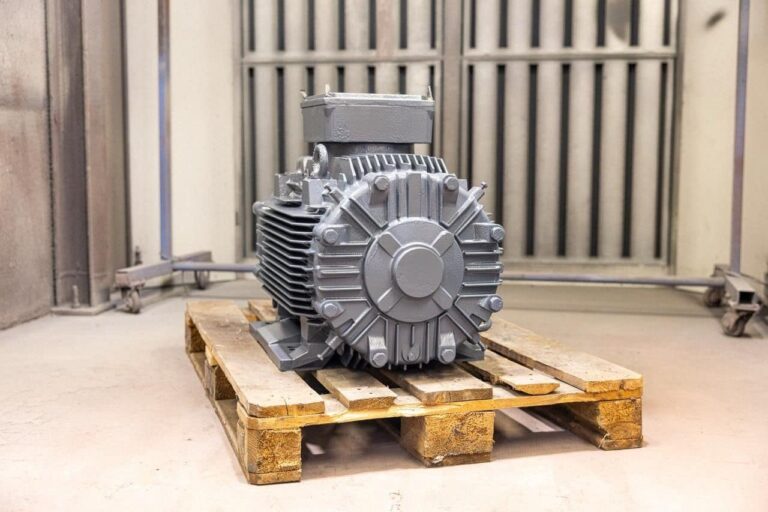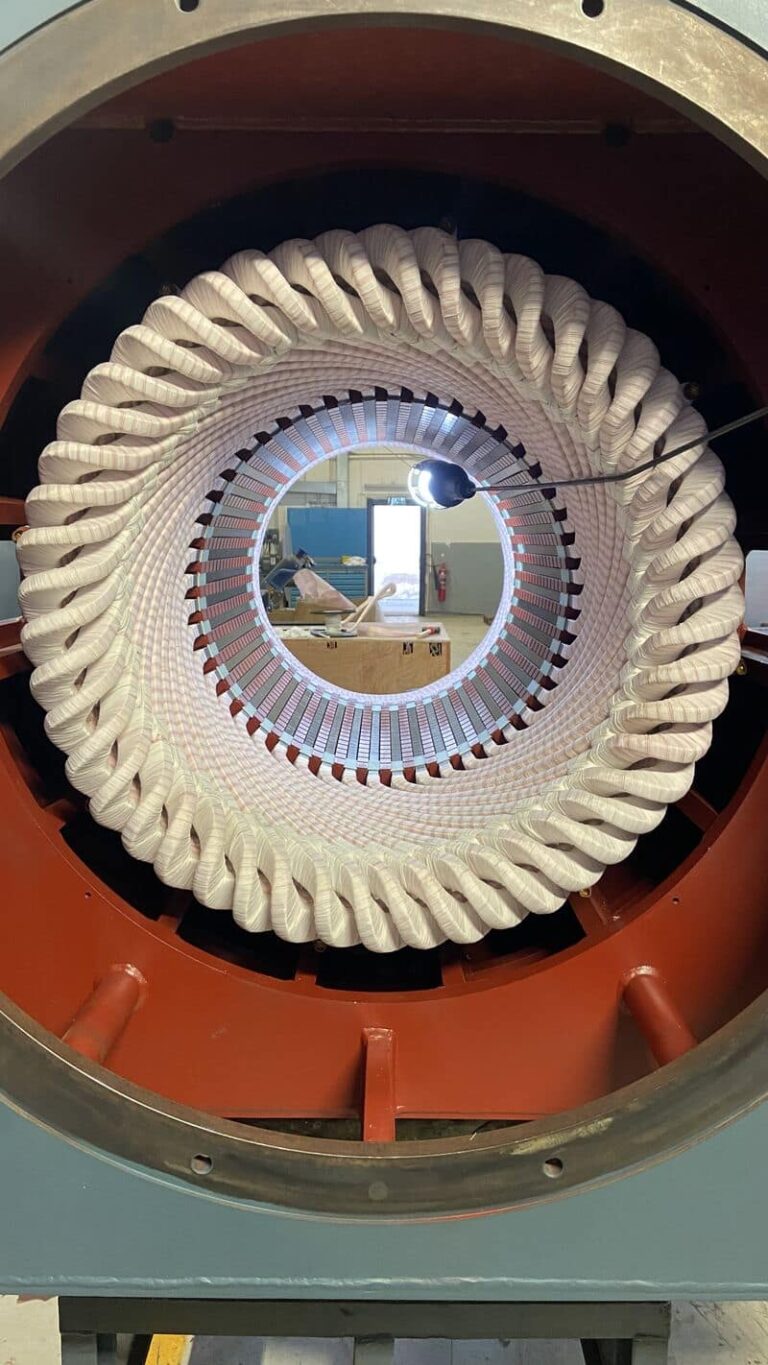
Electrical and mechanical testing provides evidence for repair decisions, commissioning, and return-to-service approval. Synergy Global selects tests according to equipment type, voltage class, failure history, operating symptoms, and the purpose of the assessment.
Electrical diagnostic testing
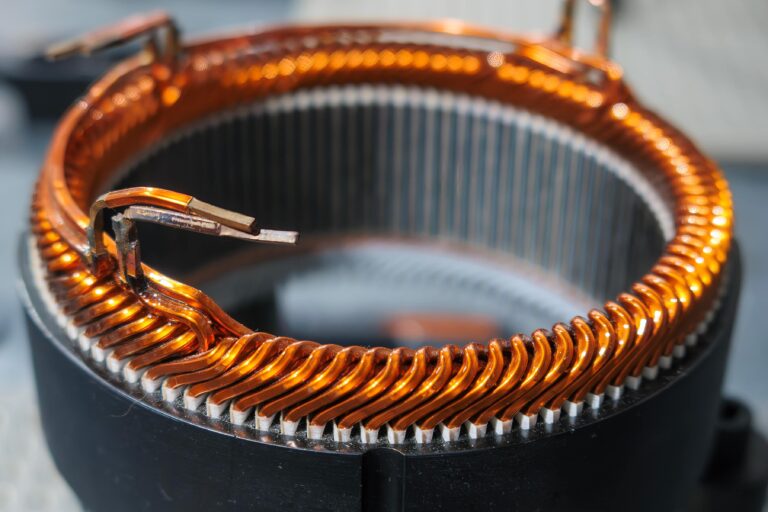
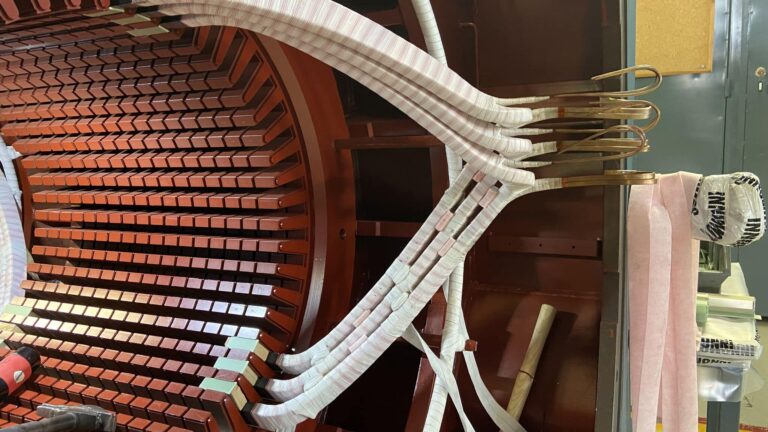
Available checks may include insulation resistance, polarization index, winding resistance, surge comparison, phase balance, core-loss assessment, and other targeted measurements. Test selection and applied values are agreed with reference to the machine and applicable procedures.
Mechanical condition checks
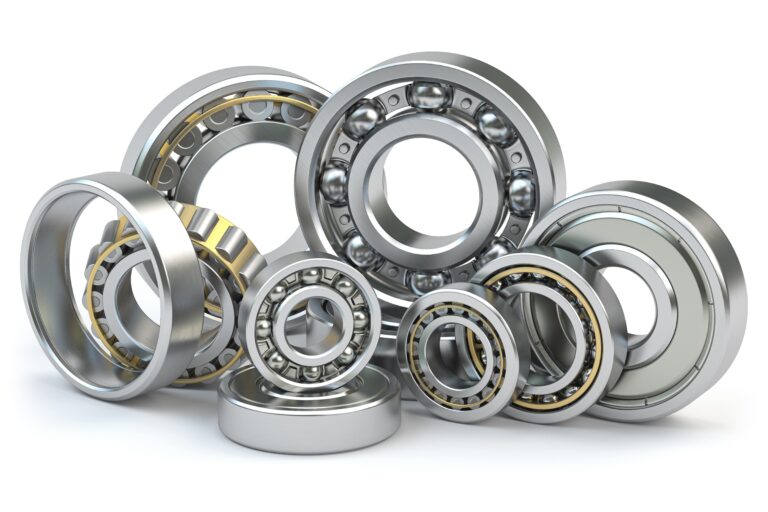
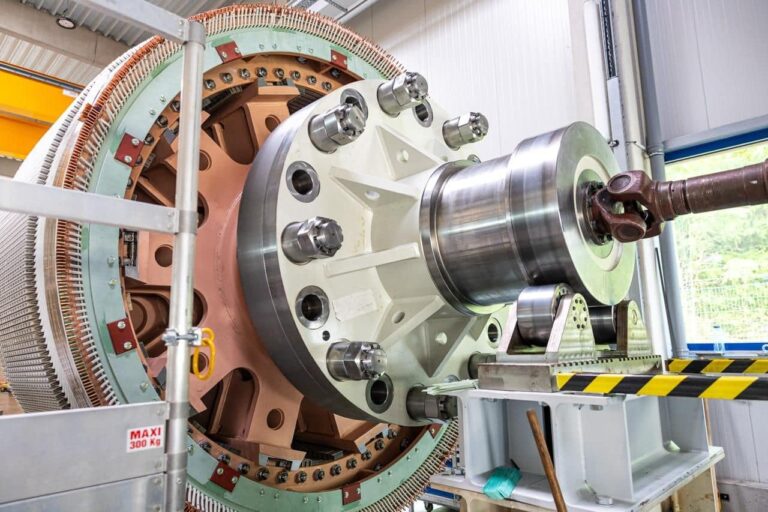
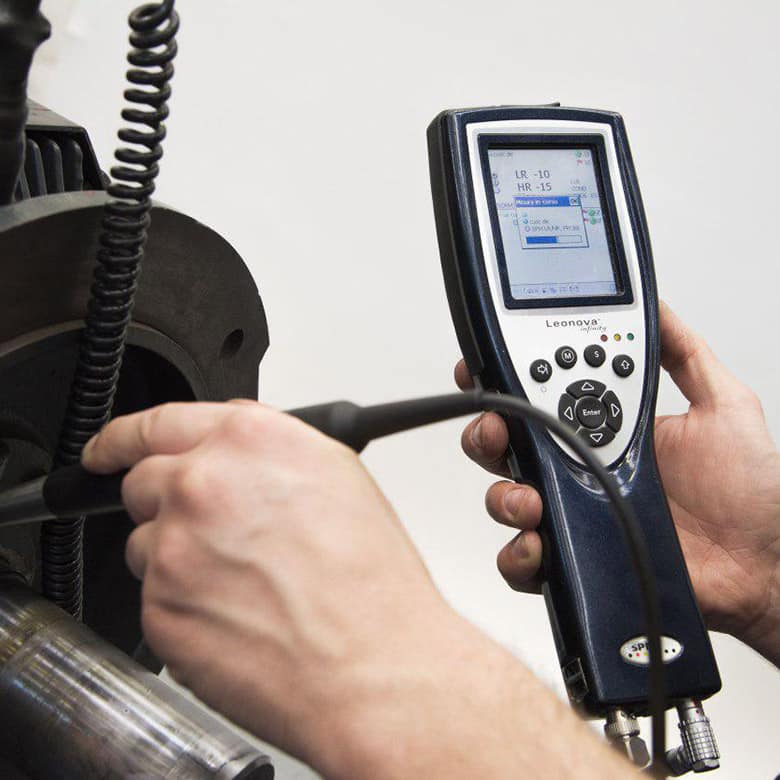
Shaft condition, bearing fits, housing dimensions, runout, clearances, alignment, vibration, and rotational behavior can be evaluated as part of an overhaul or standalone inspection scope.
Results and engineering review
Readings are assessed together rather than treated as isolated pass-or-fail values. The resulting report explains the observed condition, completed tests, limitations, and recommendations for repair, monitoring, or return to operation.
Service Highlights
- Test plan selected for equipment type and assessment objective
- Electrical insulation, winding, and core-condition checks
- Mechanical dimensional, runout, bearing, and vibration checks
- Documented results with engineering interpretation and recommendations