Abnormal vibration can indicate imbalance, misalignment, looseness, bearing defects, resonance, or process-related forces. Synergy Global combines measurement, mechanical inspection, and corrective balancing to help restore stable rotating-equipment operation.
Vibration measurement and diagnosis
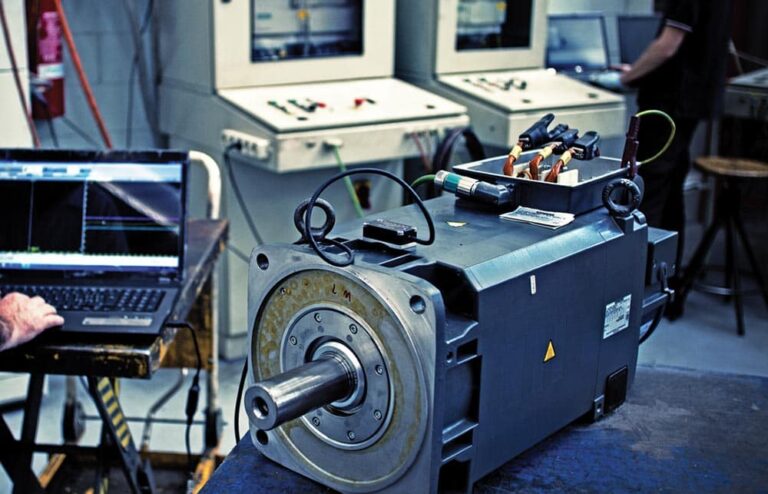
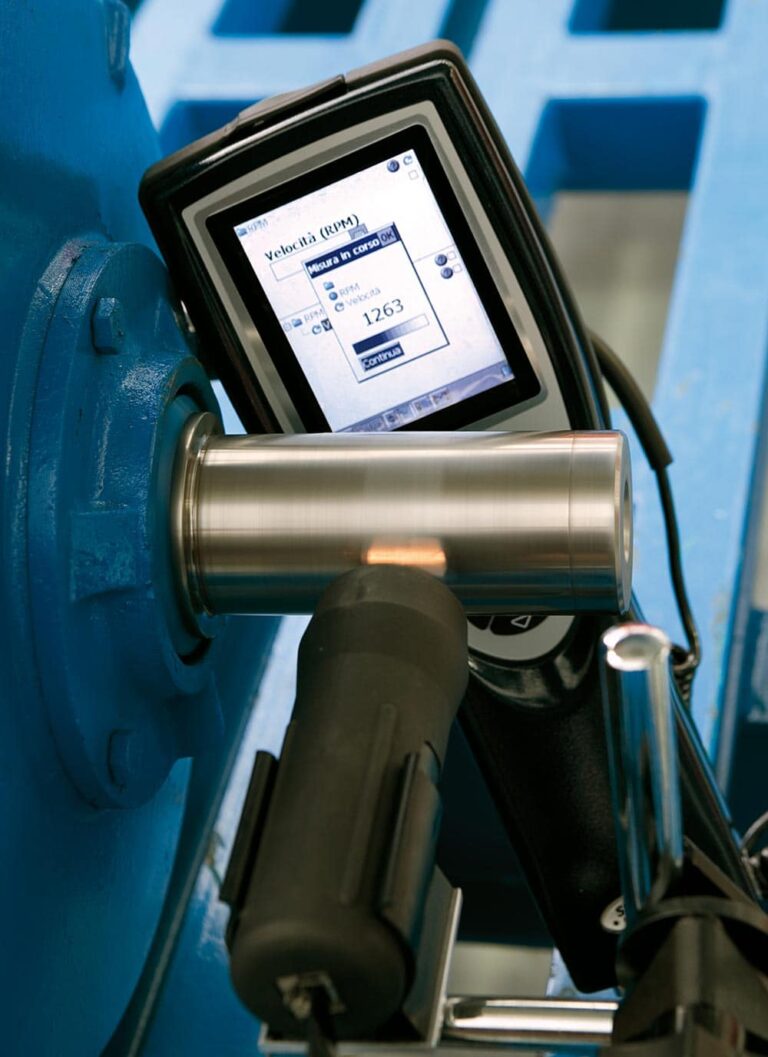
Readings are collected at suitable bearing and machine locations under known operating conditions. Overall values and frequency characteristics are reviewed together with speed, load, foundation condition, alignment, and maintenance history.
Balancing correction
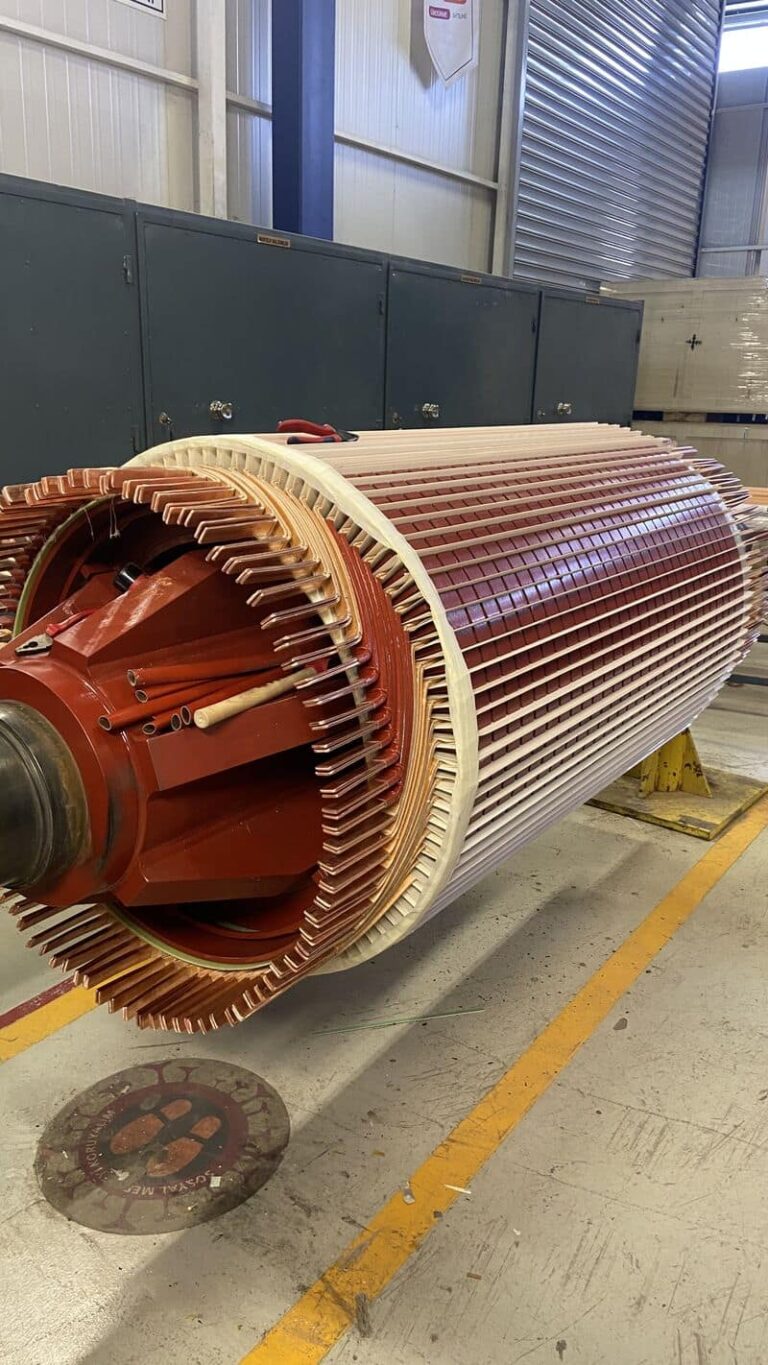
Where imbalance is confirmed, components can be balanced in the workshop or corrected in situ when equipment design and operating conditions permit. Correction weights and trial runs are controlled to achieve an acceptable residual condition for the agreed scope.
Verification and recommendations
Post-correction readings are compared with the initial condition. The report records the measured results and identifies any remaining concerns such as looseness, alignment, bearing condition, structural response, or process excitation.
Service Highlights
- Baseline and diagnostic vibration measurements
- Assessment of imbalance, misalignment, looseness, and bearing-related signatures
- Workshop or field balancing where technically suitable
- Before-and-after results with corrective recommendations